


Developing and overseeing the architectural design of IT systems, ensuring they align with business goals and technical requirements.
A strategic architectural design defines the blueprint that aligns IT systems with business goals, governs component interactions, and directs technology investment to deliver scalable, secure, and maintainable solutions.

Core components of the architecture
– Enterprise Architecture: Holistic blueprint covering business processes, applications, data, and technology to ensure IT supports business strategy and cross-organizational consistency.
– Solution / Software Architecture: Design of individual systems and applications, including component boundaries, interfaces, patterns, and runtime behavior.
– Infrastructure / Technology Architecture: Physical and virtual platforms (servers, networks, cloud, virtualization) and their configuration for availability, cost, and performance.
– Data Architecture: Models, storage, integration, governance, and access patterns that guarantee integrity, lineage, and usability of data across systems.
– Security and Compliance: Cross-cutting controls, identity models, encryption, and audit requirements embedded into each architectural layer.
Design and delivery process (stages and key artifacts)
1. Understand context and requirements — capture business goals, functional and non-functional requirements, constraints, stakeholders, and KPIs.
2. High-level architecture (HLA) — define system context, major components, deployment zones, and integration patterns; produce context diagrams and capability maps.
3. Detailed design and pattern selection — choose styles (microservices, layered, event-driven), data flows, APIs, and infrastructure patterns; produce sequence diagrams, component diagrams, and data models.
4. Decision recording and trade-offs — document architectural decisions, rationale, alternatives, and impact on cost, performance, security, and time to market.
5. Validation and testing — validate architecture against non-functional requirements through prototypes, performance tests, security reviews, and compliance checks.
6. Communication and handover — deliver architecture blueprints, runbooks, deployment diagrams, and governance checklists to engineering and operations teams.
Key artifacts: capability maps, context diagrams, component and sequence diagrams, data models, non-functional requirements matrix, architecture decision records (ADRs), deployment and runbook documents.
Governance, roles, and skills
– Enterprise architects — set strategy, ensure alignment with business goals, and own cross-domain standards.
– Solution architects — design individual systems to meet functional and non-functional needs and map to enterprise constraints.
– Infrastructure architects / Cloud architects — specify platform choices, capacity, resilience, and cost models.
– Data architects and security architects — enforce data models, governance, privacy, and security controls across solutions.
– Governance bodies — architecture review board, standards council, and change advisory boards that approve ADRs and enforce lifecycle policies.
Required skills: strategic business understanding, system design, integration patterns, data modelling, cloud and infrastructure expertise, security, and effective stakeholder communication.
Principles, trade-offs, and common risks
– Principles: business-driven design, modularity, observability, resilience, automation, and change readiness.
– Typical trade-offs: speed vs. maintainability, centralization vs. autonomy, consistency vs. innovation, and up-front cost vs. lifecycle TCO.
– Common risks: misalignment with business priorities, over-engineering, ignoring non-functional requirements, poor documentation, and weak governance leading to fragmentation and technical debt.
KPIs, maturity and tooling
– KPIs: alignment score to business goals, time to market for features, system availability, mean time to recovery (MTTR), performance SLAs, deployment frequency, architecture debt index, and cost per transaction.
– Maturity model: ad-hoc → repeatable → defined → managed → optimized, with increasing emphasis on automated validation, measurable SLAs, and continuous architecture reviews.
– Tooling and practices: architecture modeling tools, ADR repositories, CI/CD pipelines, automated testing and security scans, observability stacks, API gateways, and cloud cost-management platforms.
-

Infrastructure Management
Designing, building, and maintaining the technology infrastructure, including automation tools and configuration management systems. Infrastructure Management is the practice of designing,…
-

Security and Compliance
Ensuring that all architectural designs comply with security standards and regulatory requirements. Security and Compliance for architecture ensures systems are designed,…
-

Automation and Configuration Management
Automation of manual tasks and managing the configuration of servers to provide stable environments for development, testing, and production. Automation and…
-
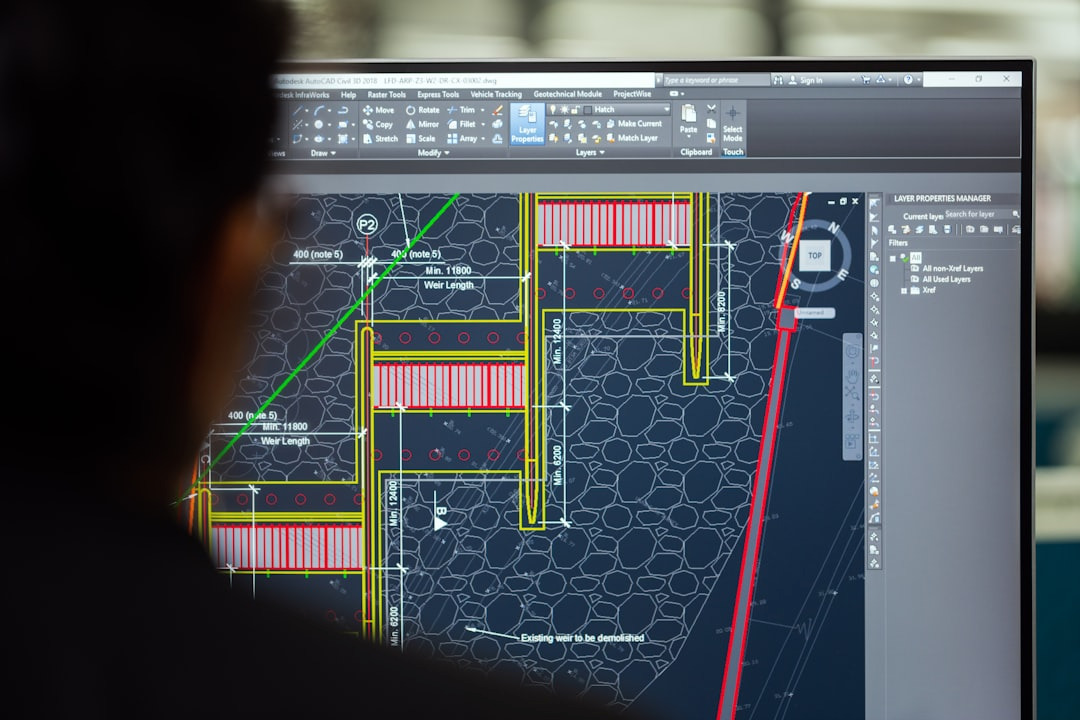
Continuous Integration and Deployment (CI/CD)
Developing and managing CI/CD pipelines to streamline the deployment of code and data, ensuring quick and reliable releases and deployments. A…
-

Architectural Design and Strategy
Developing and overseeing the architectural design of IT systems, ensuring they align with business goals and technical requirements. A strategic architectural…
-

Technical Leadership
Providing technical guidance and leadership to development teams, ensuring best practices and standards are followed. IT Technical Leadership is the role…