Category: Services
-

Ensuring that team utilize right amount of resources, savings by removing unused resources, managing resource reservation, resource consolidation. Cost management ensures teams use the right amount of compute, storage, licensing, and human effort by making consumption visible, preventing waste, and driving continual optimisation across provisioning, reservations, consolidation, and decommissioning. Objectives and guiding principles – Ensure…
-

Discover a World of Captivating Stories and In-Depth Expert Insights That Inspire and Inform Vendors collaboration is the structured practice of partnering with third‑party suppliers and vendors to stay current on product roadmaps, coordinate feature adoption, manage support cases, and ensure vendor solutions operate securely and reliably within the organisation’s environment. Objectives and Value –…
-

Working closely with stakeholders to understand project requirements and provide architectural solutions. Stakeholder Collaboration is the structured practice of engaging people who have interest in or influence over a project so that requirements are correctly captured, priorities are aligned, risks are surfaced early, and architectural solutions deliver measurable business value. Objectives and success criteria –…
-
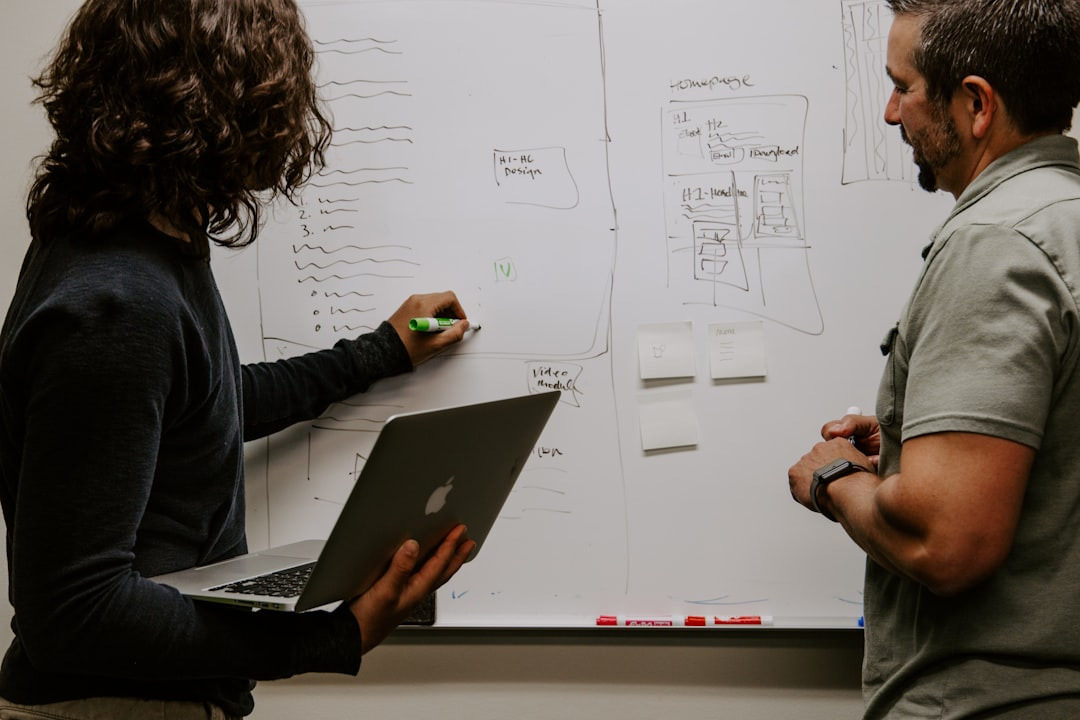
Working closely with Engineering, DevOps and other teams, providing guidance and training on best practices and new technologies. A discipline that connects Engineering, DevOps, QA, Security, Product, and Ops to accelerate delivery, reduce friction, and raise team capabilities by providing technical guidance, hands‑on support, and shared practices. Definition and objectives – Definition: Active partnership between…
-

Staying updated with the latest industry trends, technologies and best practices, and continuously seeking ways to improve architectural processes, solutions and tools. Innovation and Improvement is the ongoing discipline of scanning emerging technologies, validating ideas, and continuously enhancing architectures, processes, and toolchains to deliver greater business value, reduce risk, and improve developer and operator productivity.…
-

Creating and maintaining detailed documentation of architectural designs, standards, and best practices. Documentation and Governance covers the policies, processes, artefacts, and organisational structures that ensure architectural decisions, standards, and best practices are recorded, maintained, discoverable, and enforced across the organisation. Objectives and value – Primary goals: preserve institutional knowledge, enable repeatable decision‑making, reduce risk from…
-

Implementing monitoring solutions to detect system bottlenecks and production issues, and troubleshooting any problems that arise. Monitoring and Troubleshooting is the discipline of continuously observing system health, detecting anomalies and degradations, diagnosing root causes, and restoring normal operation while preventing recurrence. Objectives and success criteria – Detect incidents early and accurately with minimal false positives.–…
-

Identifying and implementing strategies to improve system performance, scalability, and reliability, such as and clustering, proper resource allocation. Performance Optimization is the continuous practice of identifying bottlenecks and applying targeted changes so systems meet latency, throughput, scalability, and reliability objectives under realistic load and failure conditions. Goals and guiding principles – Primary goals: – reduce…
-

Ensuring seamless integration of new systems with existing infrastructure, addressing any compatibility issues. System Integration is the practice of connecting new and existing hardware, software, data, and processes so they operate as a cohesive, reliable ecosystem. The primary objectives of system integration – Seamless interoperability between components;– Preservation of business continuity during and after integration;–…
-

Designing, building, and maintaining the technology infrastructure, including automation tools and configuration management systems. Infrastructure Management is the practice of designing, building, and operating the hardware, network, platform, and cloud resources that run an organisation’s applications and services. Effective infrastructure management ensures environments are available, secure, cost‑efficient, and reproducible across development, testing, and production. Objectives…