Category: Services
-

Ensuring that all architectural designs comply with security standards and regulatory requirements. Security and Compliance for architecture ensures systems are designed, built, and operated to protect confidentiality, integrity, and availability while meeting regulatory, contractual, and industry standards. It embeds risk‑aware decision‑making into every architectural layer so solutions remain auditable, resilient, and business‑aligned. Objectives and guiding…
-

Automation of manual tasks and managing the configuration of servers to provide stable environments for development, testing, and production. Automation and Configuration Management is the discipline of using repeatable, programmatic processes and versioned configuration to build, provision, operate, and maintain infrastructure and application environments so they are predictable, reproducible, and auditable. Key objectives and benefits…
-
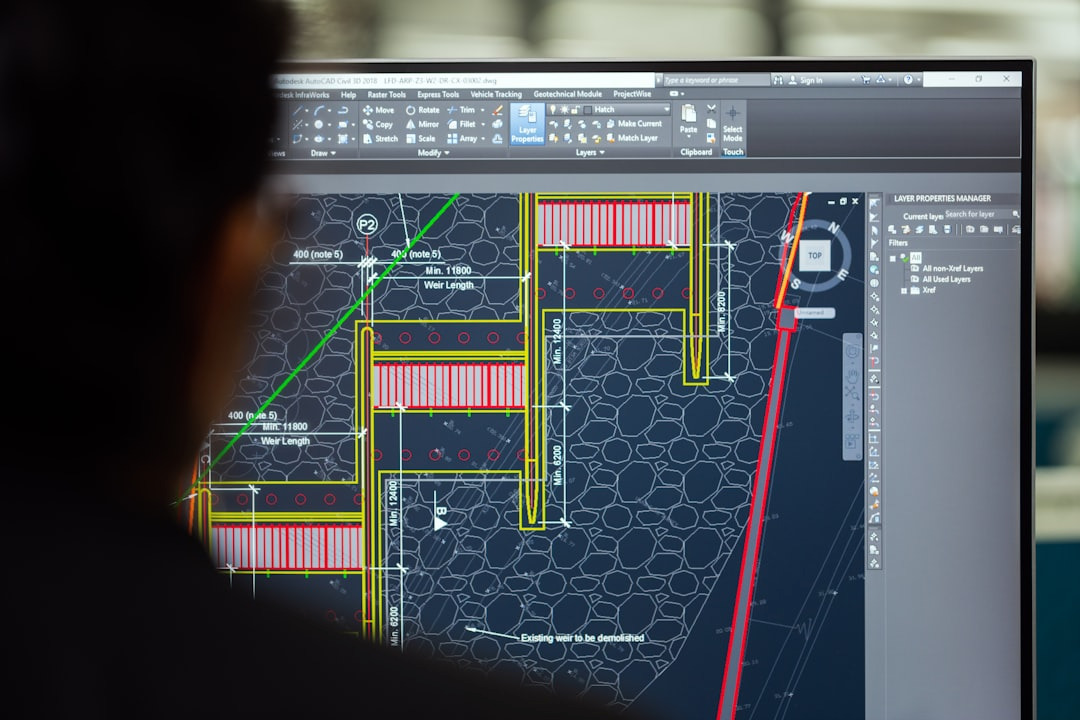
Developing and managing CI/CD pipelines to streamline the deployment of code and data, ensuring quick and reliable releases and deployments. A practice and toolset that automates building, testing, packaging, and releasing software and data so teams can deliver changes rapidly, reliably, and repeatedly. CI refers to frequent integration of code into a shared repository with…
-

Developing and overseeing the architectural design of IT systems, ensuring they align with business goals and technical requirements. A strategic architectural design defines the blueprint that aligns IT systems with business goals, governs component interactions, and directs technology investment to deliver scalable, secure, and maintainable solutions. Core components of the architecture – Enterprise Architecture: Holistic…
-

Providing technical guidance and leadership to development teams, ensuring best practices and standards are followed. IT Technical Leadership is the role of guiding and enabling engineering teams to deliver reliable, maintainable, and business‑aligned software and systems. Technical leaders set technical direction, enforce engineering standards, remove technical blockers, and grow the team’s capability. Core responsibilities –…